Getting a car safely from point A to point B looks simple on paper. In practice, the difference between a smooth handoff and a stressful week comes down to how you choose your carrier and how well you prepare. I’ve moved cars in and out of Virginia Beach for military families, college students, snowbirds, and folks relocating for work. The market has honest operators who earn their reputation one delivery at a time, and it has brokers who talk a big game, then disappear when the truck runs late. A little due diligence goes a long way.
What follows blends practical checkpoints with local knowledge. Virginia Beach has its quirks, from base access rules to oceanfront parking restrictions, and the right partner will understand all of them. Whether your search term is Virginia Beach car shipping, Virginia Beach auto shipping, or Virginia Beach vehicle shipping, the principles stay the same: verify the company, clarify the service, set realistic timing, and prepare the car like a pro.
What makes Virginia Beach different
Shipping a vehicle inside Hampton Roads means dealing with water on three sides, military installations, bridges and tunnels, and a steady churn of seasonal moves. Carriers love full trailers and predictable routes. They also dislike detours that cost time. A driver rolling up from I‑95 will either cut across to 64 or swing in through US‑58 and the Monitor‑Merrimac. Weekday rush hours through the tunnels add delay. Beachfront addresses can be tight for a 75‑foot rig, and some neighborhoods restrict commercial vehicles.
Add in the Navy and Air Force presence and you have base gate protocols. If a car needs pickup or delivery at Naval Air Station Oceana, Dam Neck, or Little Creek, expect ID checks, tighter windows, and sometimes a redirect to a public lot just off base. Good dispatchers know to ask about these details upfront. If the first person you speak with sounds surprised by tunnel bottlenecks, base access issues, or HOA restrictions at the Oceanfront, keep shopping.
Broker versus carrier, and why it matters
Most companies that advertise Virginia Beach auto shipping are brokers. They do not own trucks. Brokers sell your job to a network of carriers and earn a fee. That is neither good nor bad by itself. A strong broker can find a solid truck in a thin lane, balance price and timing, and handle hiccups. A poor broker will set a low teaser rate, then fail to dispatch your car because no driver will take it.
Asset‑based carriers, the ones that own the trucks, offer more control once you are on their schedule. The tradeoff is capacity. If their trailer is full or their routes do not align, you wait. In Hampton Roads, most successful moves use a broker with a vetted carrier. When I need speed during Navy PCS season, I call a broker I trust and ask for the reality check: what is moving this week, what price will clear the board, and who is behind the wheel.
If you are unsure which you are dealing with, ask directly. Then ask for the MC and DOT numbers so you can verify.
Licensing, insurance, and the paper trail you should check
The Federal Motor Carrier Safety Administration database is your friend. Every broker has an MC number. Every carrier has a USDOT and MC number. Plug them into the FMCSA’s SAFER system and look for active status, insurance on file, and complaint history. You do not need to decode every line, just confirm they are legal and insured.
Coverage is the next layer. Standard open carriers carry liability and cargo insurance that typically ranges from 100,000 to 250,000 dollars per vehicle. High‑value cars may require supplemental coverage or an enclosed trailer. The shipping company’s certificate of insurance should list cargo coverage and limits. Read it carefully. Deductibles vary. Some policies exclude damage from road debris or acts of God. Make sure your own auto policy is current, then ask the shipper to state in writing what is covered door to door.
One last document worth noting is the bill of lading, often called the BOL. It doubles as a condition report. At pickup and delivery, the driver should note scratches, dings, and glass chips with you present. Photograph the car from all four corners, then zoom in on wheels, mirrors, roof, and windshield. This is how you prove a new scuff appeared en route. Quick photos beat memory every time.
Timing, seasonality, and realistic expectations
Auto transport is not like parcel delivery with a guaranteed two‑day window. It is a live logistics dance around weather, traffic, and loading. Virginia Beach sits at the end of several lanes, not in the middle of them, so your car is often one of the first on or last off a multi‑stop route. That adds variability.
Patterns I see year after year:
- Late spring through mid‑summer runs hot. PCS orders drop, college moves pick up, and carriers can fill trailers at strong rates without detours. If you ship in June or July, book early and expect firmer pricing. Early fall is reasonable. After Labor Day, demand dips and drivers are open to coastal pickups, though hurricane season can slow things for a week at a time. Winter is a mixed bag. Snow up north can stall trucks headed to and from Hampton Roads. Prices sometimes soften in January but transit times can stretch. Short intrastate moves, say Virginia Beach to Richmond, often wait a few days for a truck to fill out a run. Long hauls east‑to‑west, like Virginia Beach to Phoenix, cost more per mile than north‑south corridors like Virginia Beach to Orlando.
If a salesperson promises pickup “tomorrow guaranteed” for a bargain rate, ask them to name the carrier that accepted the load. If they dodge, you are hearing a sales script, not a dispatch reality.
Price, deposits, and how to recognize a fair quote
Everyone wants to save money, but the lowest quote in auto transport frequently leads to a stalled order. Drivers accept loads posted on national boards. If your broker lists your car 150 dollars below the going rate for that lane, a driver will only take it if they wind up with an empty slot. You could wait a week for that lucky moment.
A fair price reflects supply and demand: distance, route popularity, enclosed versus open, operable versus inoperable, size and weight, and timing. Open carriers are the workhorses, and for most cars they provide perfectly adequate protection. Enclosed transport costs more, usually 40 to 80 percent more, but it shields the car from weather and road grit. Worth it for high‑value, freshly restored, or low‑clearance cars.
Brokers typically charge a deposit when a carrier is assigned, not at the quote stage. The balance is due on delivery, often by certified funds. Be wary of large nonrefundable deposits before dispatch. Also watch for bait‑and‑switch tactics: a low quote, then a call a day later saying drivers are asking for 200 dollars more. That can happen when the market shifts, but if it is a pattern, choose a different partner.
Open versus enclosed, and when local weather tips the scale
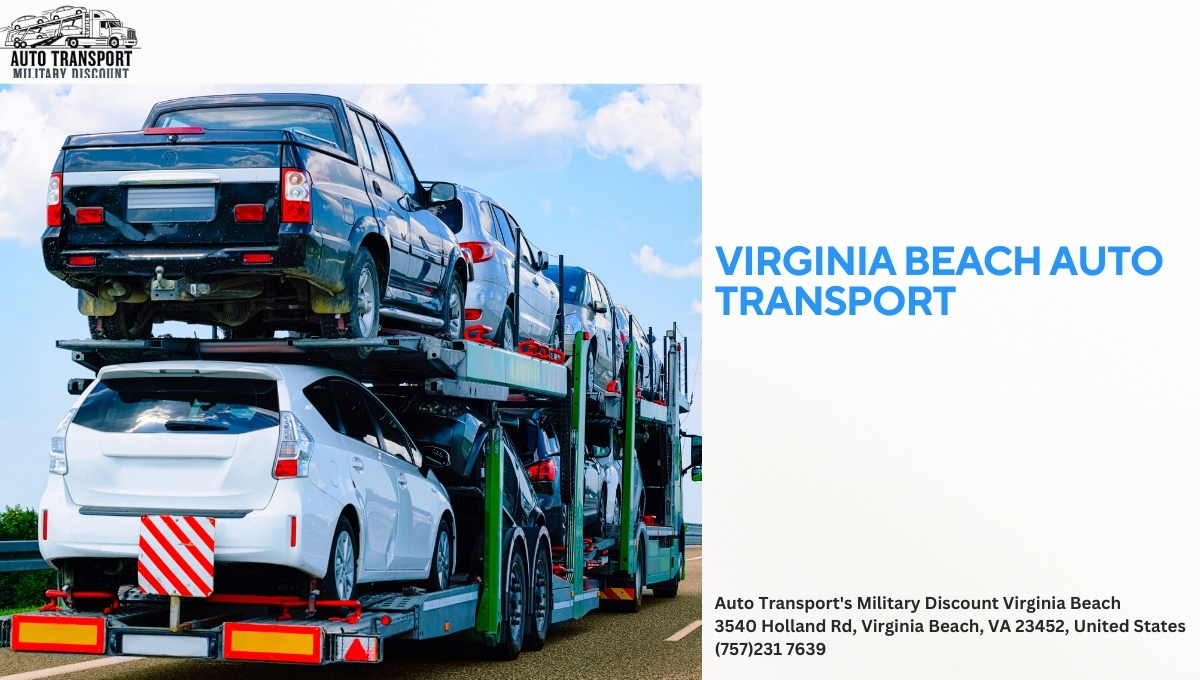
Most Virginia Beach vehicle shipping uses open trailers. Cars ride on two decks, secured by wheel straps or chains. The cars arrive dusty, maybe with a few bug splatters, but otherwise fine. Enclosed carriers cost more and book up faster. If your car sits low to the ground, wears expensive wheels, or has sensitive paint, spring for enclosed. Sea spray is not a big factor unless the car sits on a pier for days, but nor’easters and windblown grit do happen. If your delivery date lines up with a storm system, a serious operator will call to adjust timing rather than push a delicate car through foul weather.
Door to door in a city not built for semi trucks
Door to door means as close to your address as the truck can safely reach. In suburban Virginia Beach, that is often your driveway. In the Oceanfront, Hilltop, and Town Center areas, a 10‑car hauler cannot squeeze down narrow streets or block a busy lane. The workaround is a nearby parking lot, shopping center, or wide street. Plan for this and choose a landmark in advance. If you live behind a gated entrance, give the driver a gate code or meet them outside.
Base housing adds another layer. Some bases permit commercial delivery to certain lots during designated hours. Others forbid it. The usual solution is a handoff at a public location a short drive from the gate. If the carrier is used to Virginia Beach auto shipping, they will have a list of preferred spots.
Communications that inspire confidence
Strong shippers act like seasoned dispatchers. They confirm your dates, ask about vehicle condition, ground clearance, modifications, and pickup location quirks. They explain windows instead of promising exact times, then narrow the window once the truck is loaded. They give you the driver’s name and mobile number a day before pickup, and they answer the phone if the driver gets stuck behind an accident on the HRBT.
Weak shippers speak in absolutes, ignore your details, and go silent after you pay. When you interview companies, keep a short scorecard. Are they patient with questions? Do they propose a plan for tight streets, base access, or seasonal traffic? Do they put commitments in writing in the order confirmation, not just in a chat window?
How to vet reviews without getting fooled by them
Online reviews help, but they come with noise. A single one‑star rant might reflect a weather delay or a picky customer who expected a white‑glove experience at a discount rate. Look for patterns. If several reviews complain about missed pickup dates and hard‑to‑reach agents, believe them. If the company replies with specifics and a plan to fix, that is a good sign. Pay extra attention to reviews from your lane. Someone who moved a car from Norfolk to San Diego last month has more relevant feedback than a cross‑town transport in Texas.
Local referral networks are powerful in Hampton Roads. Body shops know which carriers unload gently. Dealerships at Lynnhaven and Greenbrier have regulars. If you belong to a military spouse group, ask who handled their last PCS. Real names and recent experiences teach more than a five‑paragraph testimonial with no specifics.
Hidden fees and fine print that can bite you
Transparent quotes are simple: base rate, any surcharge for inoperable vehicles, enclosed option if chosen, and taxes if applicable. Watch for fuel surcharges that change after you sign, fees for residential delivery that were not disclosed, or last‑minute cash‑only demands. None of that is standard. If your car does not run, say so. Winches slow drivers down and take work. Expect a surcharge, usually 75 to 150 dollars, and be glad it is on the paperwork, not sprung at the curb.
Cancelation policies vary. If you cancel after a carrier is assigned, a broker will keep their fee. That is fair if they actually booked a truck. If no driver accepted, ask for a full refund, and do not hesitate to dispute a charge that does not match the agreement.
Special cases: classic cars, EVs, lifted trucks, and low‑clearance builds
Virginia Beach has a healthy classic scene, from boardwalk shows to Cars and Coffee meets. Older cars often have quirks: drips, weak batteries, nonfunctional hand brakes. Tell the dispatcher. A driver will bring drip pans and wheel chocks or decline the job if it is unsafe. For mint restorations, request soft straps around the tires and enclosed service. Insist on no frame or suspension tie‑downs that could mar plating or powder coat.
Electric vehicles ship well, but they require planning. Aim for a 30 to 60 percent state of charge. Too high and the car can enter deep sleep states that complicate neutral tow modes. Too low and the battery could deplete while sitting on a cold trailer overnight. Provide the mobile connector in the trunk and show the driver how to place the vehicle in transport or tow mode. Regenerative braking and electronic parking brakes behave differently across models; have the specifics ready.
Lifted trucks and oversized tires change the math. Height and weight may push your vehicle onto a low‑boy or into a special slot that costs more. Low‑clearance cars, including some sports models and air‑suspension builds, need long ramp angles. Not every open carrier can load a car that sits under four inches. Ask for a truck with race ramps or an enclosed carrier with a lift gate.
What “operable” really means
Brokers love to ask whether the car runs and drives. Answer carefully. Operable means it starts with its own power, goes into gear, steers normally, and stops. If it needs a jump, that is usually fine, but the driver needs to know. If the car only moves forward, or the steering binds at full lock, that is inoperable for loading purposes on most open decks. I once watched a driver spend an hour coaxing a worn transmission into reverse so he could back a project car onto the bottom rack. The owner had reported the car as operable. We made it work, but the driver missed his tunnel window and had to overnight in Newport News. Be honest up front and everybody wins.
Ports, rail, and why most moves still ride trucks
Norfolk International Terminals and Newport News handle plenty of Ro‑Ro and container traffic, but domestic auto transport to and from Virginia Beach remains almost entirely over the road. Rail can be economical for long, predictable flows between major metros. For a single household vehicle, the handoffs to and from the rail yard eat the savings and add days. If a company insists your car must go to a terminal for a domestic move that would otherwise be door to door, ask why. Terminal‑to‑terminal service can make sense if your schedule is wide open and your budget is tight, but you give up control and must work around warehouse hours.
Prep the car the right way
Here is a concise checklist I give customers before Virginia Beach vehicle transport pickup. It keeps the driver moving and protects you if a claim arises.
- Wash the exterior lightly so pre‑existing marks show, remove all toll tags, and fold in mirrors and antennas if manual. Photograph the car inside and out, including wheels, roof, windshield, and odometer; keep time‑stamped copies. Reduce fuel to roughly a quarter tank, secure or remove loose parts and accessories, and take personal items out of the cabin and trunk. Provide a spare key set, note alarms or cutoffs, and place the vehicle manual and any wheel‑lock key in the glovebox. If the car is modified, document ground clearance and show the driver how to engage transport or tow mode, air suspension lift, or battery kill switches.
One note on personal belongings. Most carriers prohibit them due to insurance and weight limits. A small bag under 100 pounds in the trunk may slide if the driver agrees, but it is at your risk. Do not load the interior like a moving van. Boxes can chafe upholstery and get flagged at weigh stations.
Delivery day dynamics
Expect a call or text a few hours before the truck arrives. Have cash or a cashier’s check if that is the agreed method. Inspect before you pay. Walk around the car with the driver and compare the condition to the pickup report. Small scuffs happen rarely, but if you see something new, circle it on the BOL and take photos. Note it before signatures, then pay and keep copies. Claims require documentation and prompt notice, and reputable carriers respond faster when the paperwork is clear.
If the truck cannot reach your street, meet at the prearranged lot. Bring plates if the car was shipped without them, and a jump pack if the car sat for a while and has a finicky battery. If weather turns foul, you can accept delivery and complete the inspection under a well‑lit garage or canopy. Drivers appreciate dry, flat surfaces. You will appreciate accurate notes.
Red flags that tell you to walk away
Everyone has a bad day. What you are looking for are systemic issues. These are the most common warning signs I see:
- A quote far below the market with a “book now” demand and a large upfront nonrefundable deposit. No MC or DOT numbers, or numbers that do not match the company name on FMCSA records. Vague answers about insurance limits, or refusal to provide a certificate upon request. Promises of exact pickup and delivery times days in advance, with no caveats about windows or traffic. Pressure tactics: threats about rates climbing by the hour, or claims that “no one else can get a truck to Virginia Beach this week.”
Good companies lean on facts and let you choose.
A local lens on pickup points and workable schedules
If you live near the Oceanfront, the municipal lots along Pacific Avenue are common meeting spots during off‑peak hours. In the suburbs, large retail lots near Lynnhaven Mall or Pembroke often serve as handoff points without disrupting traffic. For folks on the peninsula or moving cars over from Norfolk, plan around the tunnel windows. Eastbound in the evening can stack up. A driver trying to hit a 2 p.m. pickup may arrive closer to 4 if an accident closes a lane. Build a buffer and keep your ringer on.
For military families, have orders handy if the pickup or delivery touches base property, and ask whether the carrier has recent base access experience. Some commands require sponsor presence at the gate for contractors. Others permit escorted access during business hours only. A seasoned Virginia Beach car shipping operator will work within those rules.
The realistic path to a stress‑free move
You do not need a spreadsheet to ship a car. You need a short list of questions, a verified company, and prep that respects the driver’s reality. Get two or three quotes, not ten. Verify the FMCSA numbers. Read half a dozen recent reviews that match your lane. Decide whether open or enclosed makes sense. Confirm insurance coverage in writing. Agree on a pickup window and a backup meeting location if your street is tight. Photograph the car, sign the BOL with care, and keep your phone close during the window.
Most Virginia Beach auto shipping jobs I have managed or overseen arrive inside the promised window with no drama. The successful ones start with honest conversations about timing and price, and they end with a clean handoff in a well‑chosen parking lot rather than a rushed double‑park at the curb. The better you choose your partner, the less you think about the thousand miles in between.
Quick reference: questions to ask before you book
- Are you a broker, a carrier, or both, and what are your MC and USDOT numbers? What are your current market rates and realistic pickup windows for my route and dates? What are your cargo insurance limits and deductibles, and can you send a certificate? Will my car ship open or enclosed, and who is the assigned carrier once dispatched? How do you handle base access, tight streets, or HOA delivery restrictions near the Oceanfront or Town Center?
These few points separate polished operators from pretenders. Once you have clear answers, you can book with confidence and let the professionals do what they do best.
Auto Transport's Military Discount Virginia Beach
3540 Holland Rd, Virginia Beach, VA 23452, United States
Phone: (757) 231-7639